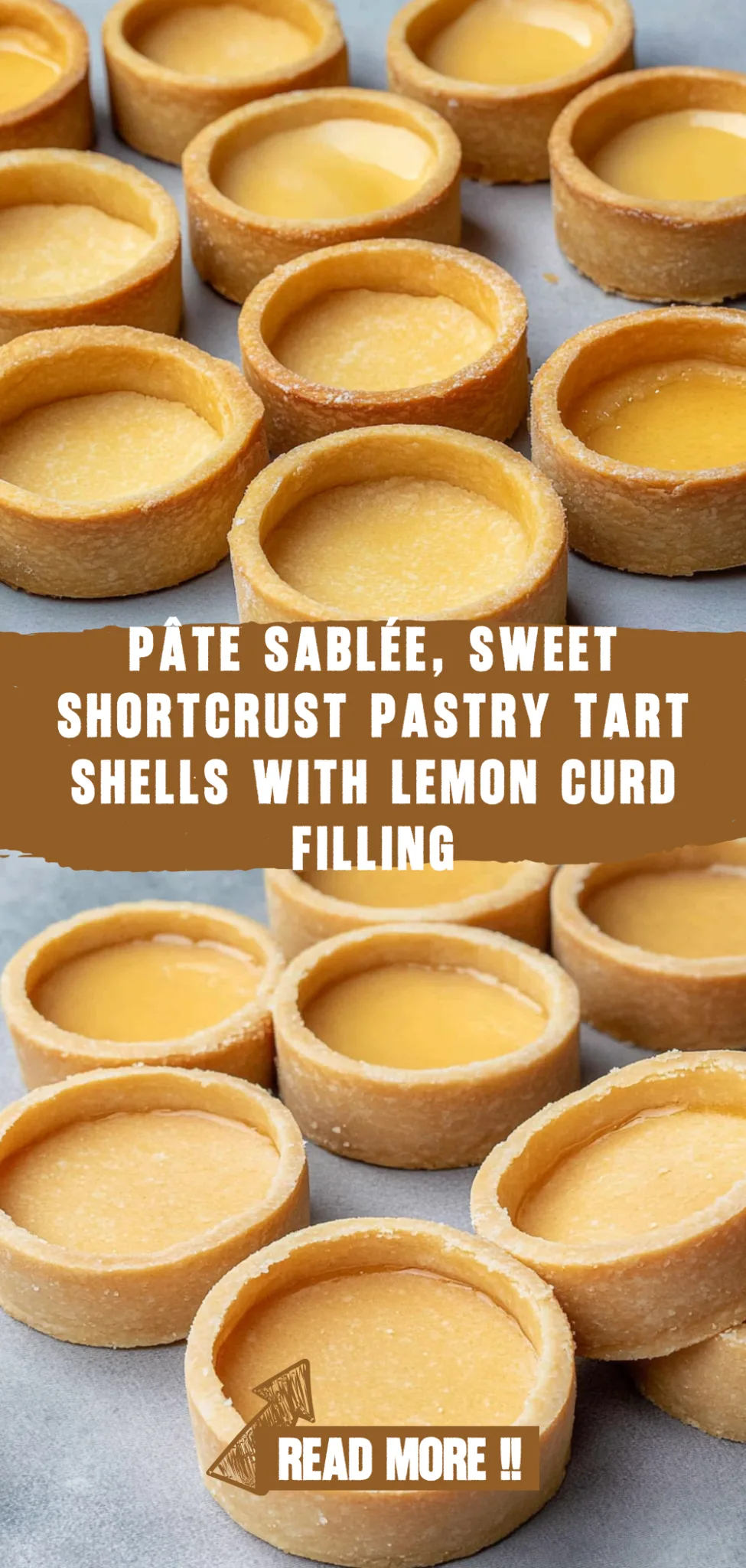
Pâte Sablée, Sweet Shortcrust Pastry Tart Shells: Buttery…
Buttery Bliss in Every Bite
I first stumbled upon the magic of Pâte Sablée, Sweet Shortcrust Pastry Tart Shells during a cozy weekend baking session. As I rolled out the dough, the rich buttery aroma filled my kitchen, instantly wrapping me in warmth and nostalgia. With its tender and crumbly texture, this pastry became an effortless favorite that never fails to impress.
What makes these tart shells truly special is their ability to elevate any filling — from fresh fruits to decadent chocolates — while filling your home with a heavenly scent that draws everyone in. Whether it’s a romantic date night or a casual gathering with friends, these little treasures are perfect for creating delightful moments that linger long after the last bite.
Imagine serving them warm, topped with a luscious layer of cream and sprinkled with seasonal berries, or perhaps drizzled with rich chocolate ganache. The joy of making Pâte Sablée is not just in the cooking; it’s in sharing those delicious experiences with loved ones that makes every moment worth savoring. So grab your apron and let’s create something unforgettable together!
What are Pâte Sablée, Sweet Shortcrust Pastry Tart Shells?
Pâte Sablée, Sweet Shortcrust Pastry Tart Shells are a delightful pastry used as a base for various tarts and desserts, characterized by their rich and buttery flavor. Made with key ingredients like 250 grams of all-purpose flour, 125 grams of cold, cubed unsalted butter, and 100 grams of powdered sugar, this pastry offers a tender yet crumbly texture that melts in your mouth. The addition of a large egg yolk and a teaspoon of vanilla extract enhances the flavor, while a pinch of salt balances the sweetness. Typically baked in the oven until golden brown, these tart shells are not only easy to prepare but also require minimal cleanup, making them an ideal choice for both novice and experienced bakers alike.
Perfect For:
Impressive Desserts: Pâte Sablée creates a stunning base for your favorite tarts, making it perfect for impressing guests at dinner parties or special celebrations.
Sweet Treats on a Budget: This rich and buttery pastry elevates everyday desserts without breaking the bank, allowing you to enjoy gourmet flavors right at home.
Family Gatherings: The versatility of this shortcrust pastry means you can easily whip up multiple tarts to please everyone, ensuring there’s something delightful for every family member.
Romantic Evenings: Whether topped with fresh fruit or decadent chocolate, these tart shells make for an elegant dessert that sets the mood for a cozy dinner date at home.
Pâte Sablée, Sweet Shortcrust Pastry Tart Shells Ingredients
- For the Pastry
- 2 cups all-purpose flour – This forms the base of your tart shell, providing structure and a delicate crumb.
- 1/2 cup unsalted butter (cold and cubed) – Chilled butter creates that rich, flaky texture essential for Pâte Sablée.
- 3/4 cup powdered sugar – This sweet ingredient adds a subtle sweetness and helps achieve a tender crust.
- 1 large egg yolk – The yolk enriches the pastry, giving it a beautiful color and richness.
- 1 teaspoon vanilla extract – Adds a lovely aroma and depth of flavor to your tart shell.
- 1 pinch salt – Balances the sweetness and enhances the overall flavor profile of your pastry.
Kitchen Equipment You’ll Need
- Mixing bowl
- Pastry cutter or fork
- Plastic wrap
- Rolling pin
- Tart pan
- Fork
Making Pâte Sablée, Sweet Shortcrust Pastry Tart Shells Step by Step
Step 1:
In a mixing bowl, combine the 250 grams of all-purpose flour, 100 grams of powdered sugar, and a pinch of salt. This mixture will form the base of your pastry and provide that sweet touch you’re looking for in your tart shell.
Step 2:
Next, add the cold cubed butter—125 grams—to the dry ingredients. Use your fingertips or a pastry cutter to mix until the mixture resembles coarse crumbs. You want to see little bits of butter throughout; this is what makes the crust flaky and delicious!
Step 3:
Now, stir in one large egg yolk and 1 teaspoon of vanilla extract. Mix gently until the dough starts to come together. It should be moist but not sticky; if it feels too dry, you can add a tiny drop of water.
Step 4:
Shape the dough into a disk and wrap it tightly in plastic wrap. Refrigerate it for at least 30 minutes. Chilling the dough helps to firm up the butter, ensuring that your pastry holds its shape during baking.
Step 5:
Preheat your oven to 180°C (350°F). Getting that oven hot ensures an even bake, which is essential for achieving that perfect golden brown color on your tart shell.
Step 6:
On a floured surface, roll out the chilled dough to about 3mm thick. Make sure to keep it floured as you work so that it doesn’t stick. The thickness is key for a sturdy shell that can hold all that delicious filling later!
Step 7:
Carefully transfer the rolled-out dough to a tart pan and press it into the edges gently. Take your time with this step; you want to ensure that every part of the pan is covered evenly with dough.
Step 8:
Trim any excess dough hanging over the edges using a sharp knife or pastry cutter. Then, prick the bottom with a fork to prevent bubbling during baking—this creates little vents for steam to escape.
Step 9:
Bake in your preheated oven for about 15-20 minutes or until it’s beautifully golden brown. Keep an eye on it as ovens can vary; you want that lovely color without burning!
Step 10:
Once baked, remove from the oven and let cool before filling. This cooling period is crucial because it allows the crust to set properly and makes filling it even easier!
Tips
- Use cold butter: Ensuring your butter is cold and cubed helps create a flaky texture in the pastry. Warm butter can lead to a dense dough that won’t hold its shape during baking.
- Don’t overwork the dough: Mix just until the ingredients come together. Overworking can develop gluten, making the pastry tough instead of tender and crumbly.
- Chill the dough thoroughly: Allowing the dough to rest in the refrigerator for at least 30 minutes is crucial. This firms up the butter and relaxes the gluten, resulting in a more manageable dough that won’t shrink while baking.
- Roll on a floured surface: Make sure your work surface is well-floured to prevent sticking. This will help you roll out the dough smoothly without tearing it, ensuring an even tart shell.
- Prick before baking: Don’t skip pricking the bottom of the tart shell with a fork. This step prevents air bubbles from forming during baking, which can cause your tart to puff up.
- Check for doneness visually: Keep an eye on your tart shell as it bakes; look for a golden brown hue. If you rely solely on time, you might end up with an undercooked or overbaked crust.
Optional Ingredients
- Cream cheese: Incorporating a few tablespoons of softened cream cheese into the dough adds a delightful tanginess and richness, making your pastry even more indulgent.
- Cinnamon: A sprinkle of ground cinnamon in the flour brings warmth and a hint of spice, creating a comforting flavor profile that pairs beautifully with sweet fillings.
- Zest of lemon or orange: Adding a teaspoon of citrus zest brightens the pastry, infusing it with fresh, aromatic notes that enhance the overall taste and elevate your tart.
- Toasted almonds: Chopped toasted almonds mixed into the dough provide a wonderful crunch and nutty flavor that complements fruity or creamy fillings perfectly.
- Chocolate ganache drizzle: A rich chocolate ganache poured over the finished tart adds an elegant touch and a luscious sweetness that balances the buttery pastry beautifully.
What to Pair with Pâte Sablée, Sweet Shortcrust Pastry Tart Shells?
A fresh salad can beautifully complement the rich flavors of Pâte Sablée, providing a crisp contrast that balances the pastry’s buttery notes. Consider a mixed green salad with citrus segments and a light vinaigrette; the acidity from the citrus will cut through the sweetness of the tart shell, enhancing your overall dining experience. Alternatively, a spinach and strawberry salad topped with nuts introduces a delightful textural element that harmonizes well with the delicate crumb of the pastry.
For a comforting side dish, roasted root vegetables make an excellent choice alongside your sweet tart. The earthy sweetness of carrots and beets pairs naturally with the dessert-like qualities of the pastry, creating a sense of completeness on your plate. The caramelization from roasting adds depth and richness that echoes the buttery flavor profile, making each bite wonderfully satisfying.
When it comes to drink pairings, a light sparkling wine or even a refreshing herbal tea can elevate your tasting experience. A brut Champagne offers effervescence that cuts through the pastry’s richness while highlighting its sweetness without overpowering it. If you prefer something non-alcoholic, consider serving chamomile tea; its subtle floral notes will enhance the vanilla in your tart shell, creating a serene balance that’s perfect for afternoon gatherings or dessert occasions.
Variations and Substitutions
Almond Flour instead of All-Purpose Flour: Swap out all-purpose flour for almond flour to create a gluten-free version of pâte sablée. This substitution adds a subtle nutty flavor and a tender texture, making it an excellent choice for those with gluten sensitivities.
Coconut Oil for Unsalted Butter: Replace unsalted butter with solid coconut oil for a dairy-free alternative that still yields a rich pastry. This substitution infuses the dough with a hint of coconut flavor, making it perfect for tropical-inspired tarts.
Brown Sugar in place of Powdered Sugar: Use brown sugar instead of powdered sugar for a deeper caramel-like sweetness and slight molasses undertone. This variation not only enhances the flavor profile but also gives the crust a beautiful golden hue when baked.
Egg Substitute with Flaxseed Meal: For a vegan version, replace the egg yolk with 1 tablespoon of ground flaxseed mixed with 2.5 tablespoons of water. Allow it to sit until it thickens before adding it to the dough; this will bind the ingredients while adding a hint of nuttiness.
Lemon Zest Addition: Incorporate the zest of one lemon into your dough for a refreshing citrus twist. This brightens up the flavor profile and pairs beautifully with fruit fillings, enhancing the overall tart experience.
Spices like Cinnamon or Nutmeg: Add a teaspoon of ground cinnamon or nutmeg to your dry ingredients for an aromatic spice kick. This variation brings warmth and complexity to your pâte sablée, making it ideal for seasonal desserts or cozy gatherings.
Matcha Powder Incorporation: Stir in 1-2 teaspoons of matcha powder into your flour mixture for an earthy, green tea flavor that’s visually striking. This variation not only adds unique flavor but also provides an antioxidant boost, perfect for health-conscious bakers.
Refrigerate your Pâte Sablée by allowing it to cool completely before wrapping it tightly in plastic wrap or placing it in an airtight container. It will keep well in the fridge for up to five days. To restore its flaky texture, simply reheat the tart shell in a preheated oven at 350°F (175°C) for about 5-10 minutes until warmed through.
This pastry can also be frozen, but keep in mind that the texture may slightly change upon thawing. To freeze, wrap the cooled tart shells individually in plastic wrap and place them in a freezer-safe bag or container, ensuring you remove as much air as possible. They can be stored for up to three months; when ready to use, thaw overnight in the refrigerator and bring to room temperature before reheating as mentioned above.
FAQ
Can I use a different type of flour for this recipe?
Yes, you can use other types of flour like almond flour or whole wheat flour, but keep in mind that this may alter the texture and flavor of your pâte sablée. For best results, stick with all-purpose flour for a classic buttery taste and crumbly texture.
Can I substitute the unsalted butter with margarine?
While you can use margarine as a substitute, it may change the flavor and consistency of your pastry. Unsalted butter gives a richer taste and helps achieve that perfect flaky texture, so it’s recommended to stick with butter if possible.
How long should I chill the dough before rolling it out?
Chilling the dough for at least 30 minutes is essential to ensure it holds its shape while baking. If you have time, chilling it for up to an hour can further enhance the texture and make it easier to roll out.
Can I make this dough in advance and freeze it?
Absolutely! You can prepare the dough ahead of time and freeze it for up to three months. Just wrap it tightly in plastic wrap and store in an airtight container. When ready to use, thaw it in the refrigerator overnight before rolling out.
Is there a way to make this gluten-free?
Yes, you can make a gluten-free version by using a gluten-free all-purpose flour blend. Look for one that includes xanthan gum to help mimic the structure provided by gluten, ensuring your tart shell remains tender and flaky.
Do I need to blind bake the pastry before filling it?
Blind baking is not strictly necessary for every filling, but if you’re using a wet filling (like custard or fruit), it’s recommended to bake the crust for about 15-20 minutes first. This prevents the shell from becoming soggy and helps maintain its crispness.
Can I add flavorings or spices to the pastry?
Definitely! You can enhance your pâte sablée by adding citrus zest or spices such as cinnamon or nutmeg. Just keep in mind that too much additional moisture from liquid flavorings may affect the dough’s consistency, so use dry options where possible.
How do I know when my tart shell is done baking?
Your tart shell should be golden brown when done baking. Keep an eye on it during the last few minutes; if it’s browning too quickly, you can cover it loosely with foil to prevent over-browning while allowing the center to bake through completely.